


Elemental Enzymes Expands Australian Supply Through Tanuki
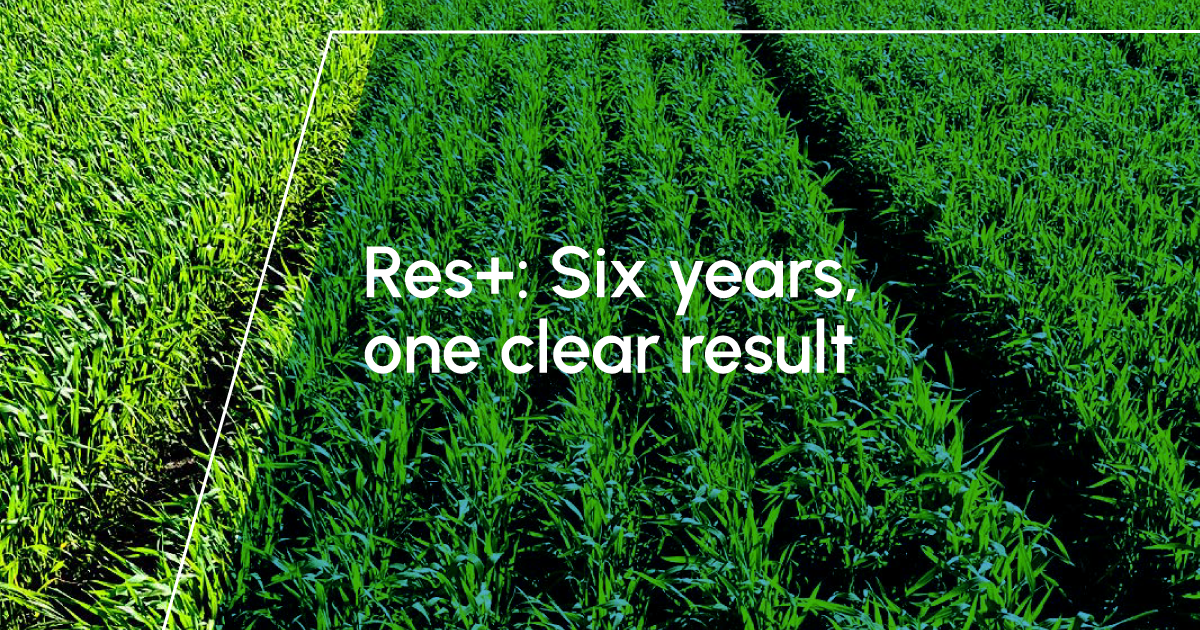
In the challenging, variable growing conditions of Western Australia’s wheatbelt, consistency is rare—and valuable. That’s exactly what a unique six-year field trial in Katanning has delivered, highlighting the long-term impact of Res+, developed by Elemental Enzymes and sold in Australia by ADAMA Australia.
Managed by Chad Sayer, Technical Development Lead, Elemental Enzymes Australia and conducted by TrialCo Research, this extensive study followed a fertiliser application program over six seasons—five years of wheat and one of canola—under a no-till wheat stubble system. The goal was simple: measure how integrating Res+ into a standard fertiliser program influences productivity over time.
A Trial Designed for the Long Haul
Unlike short-term demonstrations, this trial was built to reflect real farming decisions year after year. The same wheat variety was planted across multiple seasons, plots were managed consistently, and the program remained unchanged—except for one critical difference: the inclusion of Res+.
Applied in the fallow period ahead of sowing, Res+ was introduced to support residue breakdown, stimulate microbial activity, and improve nutrient cycling in the soil.
The Payoff: Stronger Yields, Year After Year
The results tell a compelling story. Across six seasons, the Res+ program delivered:
- An additional 2.56 t/ha of – grain yield
- An extra 2.26t/ha of wheat and 300 kg/ha in canola production
- A total yield increase of 9.2%
More importantly, these gains weren’t isolated to a single standout year. Yield improvements were consistent across varying seasonal conditions—demonstrating that Res+ contributes to system-wide resilience, not just short-term boosts.
Building Soil Health from the Ground Up
The long-term benefits go beyond yield. By enhancing residue decomposition and stimulating microbial life, Res+ helps unlock nutrients tied up in crop stubble. This creates a more active, fertile soil environment that supports crop establishment and growth.
Earlier applications during the fallow period also improved stubble flow at sowing—an operational advantage that reduces planting challenges and helps crops get off to a strong start.
Easy Integration, Lasting Impact
One of the standout aspects of the trial was how seamlessly Res+ fit into the existing farming program. It was applied – in conjunction with standard spray programs, requiring no major changes to equipment or workflow.
For growers, that means the benefits of improved soil function and higher yields can be achieved without adding complexity.
A New Standard for Long-Term Performance
This six-year dataset reinforces a powerful message: stubble management inputs like Res+ aren’t just a seasonal tool—they’re a strategic investment in the long-term productivity of farming programs.
As growers continue to face pressure from variable seasons and rising input costs, solutions that build soil health while delivering consistent yield gains are becoming essential.
With proven results over multiple seasons, Res+ is setting a new benchmark for what’s possible when biology is integrated into modern agriculture.
For more information, go to our Res+ product page or download the Trial Information Sheet here.